Why Your Microbiome Matters
The trillions of microbes living inside you — and what they actually do.
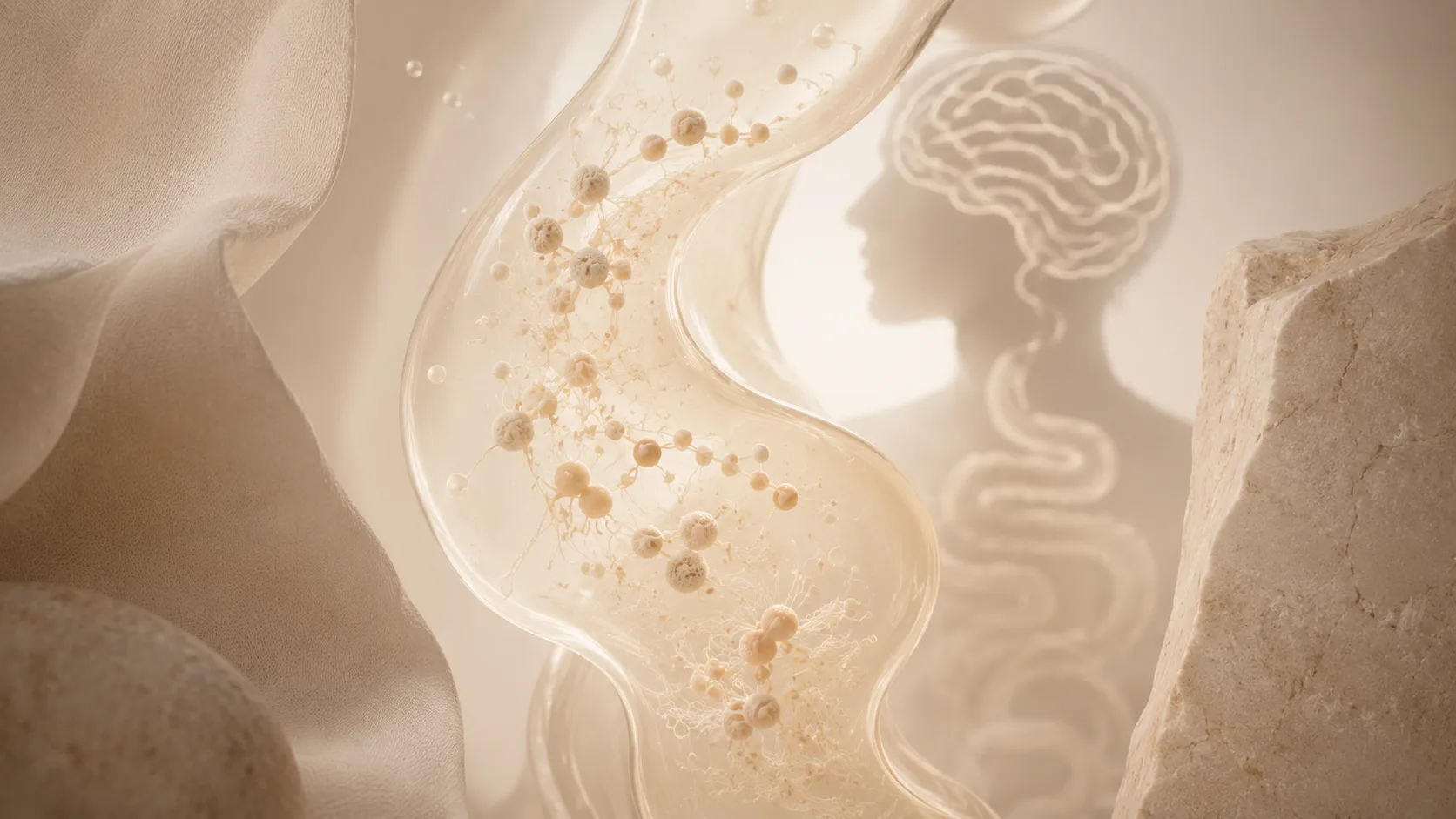
You are, by cell count, roughly half microbial. Your gut hosts tens of trillions of bacteria, archaea, fungi, and viruses — a living organ that weighs about as much as your brain and carries well over a hundred times more genes than your own genome. It is also the part of you most directly shaped by what you eat.
An organ you weren't born with
Unlike your heart or liver, you assemble your microbiome over time. You pick up your first microbes at birth, then diversify rapidly through your first few years of life as diet, environment, and exposure all leave their mark. By adulthood it has become a stable but responsive ecosystem — one that shifts within days of a change in what you eat.
For decades the textbooks claimed bacteria outnumbered human cells ten to one. A careful 2016 recount put the real figure closer to one to one — still extraordinary, and a useful reminder that the science here is young and actively self-correcting.
What it actually does for you
The headline job is digestion. The fiber your own enzymes can't break down gets fermented by gut bacteria into short-chain fatty acids — butyrate, acetate, and propionate — which feed the cells lining your colon, help regulate inflammation, and influence metabolism well beyond the gut.
But the work doesn't stop there. Your resident microbes synthesize vitamins like K and several B vitamins, train your immune system to tell friend from foe, and physically crowd out invading pathogens. A healthy community is, in effect, part of your immune defense.
Diversity is the signal
Across large population studies, a richer, more diverse microbiome tends to track with resilience and metabolic health, while reduced diversity is associated with conditions ranging from inflammatory bowel disease to metabolic syndrome. Diversity isn't a guarantee of health, but it's one of the most consistent markers researchers keep returning to.
The practical upshot: feed the ecosystem broadly. A wide range of plants and fibers, plus live fermented foods, gives more species something to eat — and a well-fed community is a more diverse one.
- You build your microbiome over a lifetime; diet shapes it within days.
- Gut microbes turn fiber into short-chain fatty acids that feed your gut lining and calm inflammation.
- Higher microbial diversity is one of the most consistent markers of gut health.
- 1.Sender R, Fuchs S, Milo R (2016). Revised estimates for the number of human and bacteria cells in the body. PLoS Biology.
- 2.Lloyd-Price J, Abu-Ali G, Huttenhower C (2016). The healthy human microbiome. Genome Medicine.
- 3.Valdes AM, Walter J, Segal E, Spector TD (2018). Role of the gut microbiota in nutrition and health. BMJ.
- 4.Koh A, De Vadder F, Kovatcheva-Datchary P, Bäckhed F (2016). From dietary fiber to host physiology: short-chain fatty acids as key bacterial metabolites. Cell.
Wild Origin makes food, not medicine. This article is for curiosity and education — it is not medical advice, and our products are not intended to diagnose, treat, cure, or prevent any disease. If you are managing a health condition, talk to a qualified clinician.
The Gut–Brain Axis
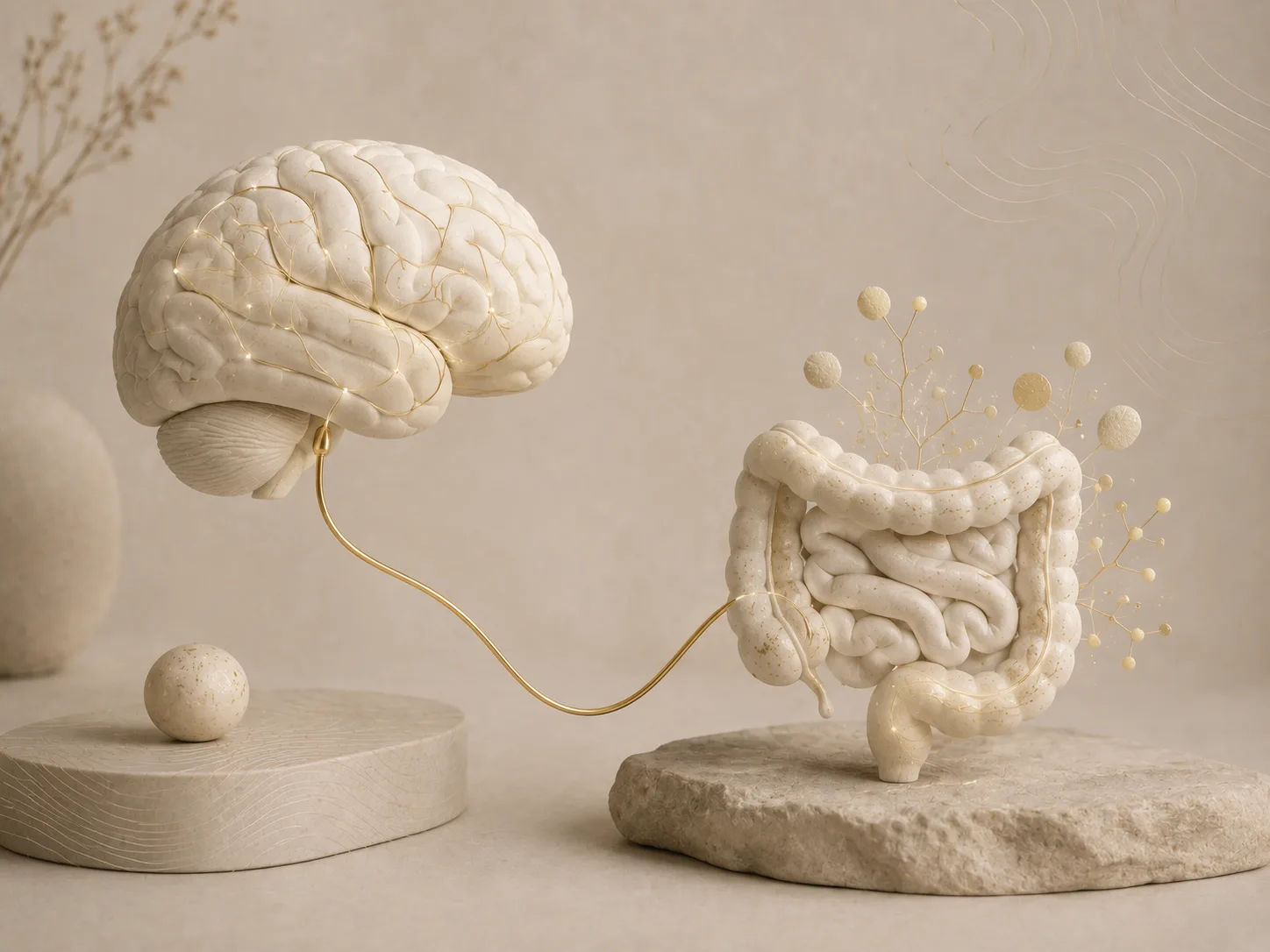
How your gut and your brain stay in constant conversation.